
The Shift Toward Federal Oversight in US Sports Betting
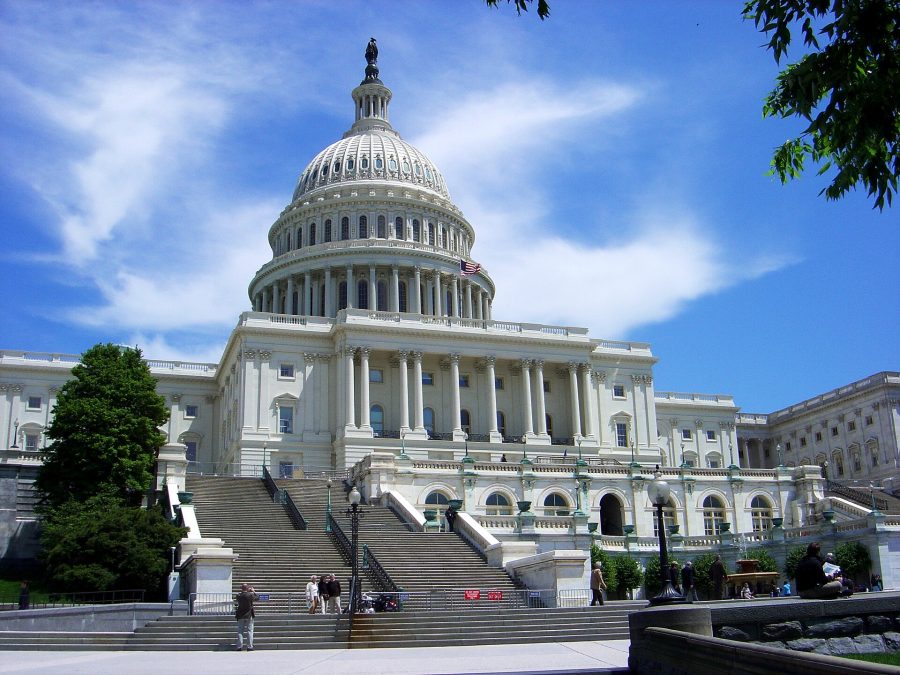
The rapid ascent of the American sports betting market since the 2018 overturning of PASPA has been defined by a land-grab mentality. With industry valuations reaching $165 billion, the focus has remained squarely on market penetration and tax yield. However, the upcoming Senate Commerce Subcommittee hearing, No Sure Bets: Protecting Sports Integrity in America, signals that the industry’s honeymoon period with state-level governance is drawing to a close. Washington is moving from a posture of permissive growth to one of institutional oversight.
The Risks of Hyper-Granular Wagering
The transition from traditional money-line betting to micro-betting and individual prop markets has fundamentally altered the sports betting ecosystem. By shifting the focus from total game outcomes to granular, in-game events, operators have significantly expanded the threat surface for potential match-fixing.
The industry’s reliance on data-speed has created a unique vulnerability. When betting opportunities occur every few seconds, the barrier to illicit influence is lowered. Recent integrity scandals across the NBA, MLB, and NCAA have provided policymakers with the necessary ammunition to argue that the current model of self-regulation is insufficient. For sports leagues, the product being sold is the integrity of the contest; if that perception is eroded by frequent integrity breaches, the long-term value of media rights and sponsorships faces an existential threat.
Scrutinizing Prediction Markets and Digital Safety
The subcommittee’s purview is also extending to the gray areas of the market, specifically prediction platforms that classify themselves as speculative financial tools to circumvent traditional gambling regulations. Legislators are increasingly wary of these loopholes, perceiving them as significant gaps in the national regulatory fabric.
Compounding these concerns is the intersection of sophisticated algorithmic marketing and the digital habits of younger users. Congress is expected to challenge the efficacy of current age-gating mechanisms, which have proven notoriously porous. The looming legislative shift may target more robust, perhaps even biometric or cryptographic, verification standards. This pressure mirrors the data privacy scrutiny currently facing the broader tech sector, suggesting that sportsbooks will soon be held to the same compliance rigor as financial institutions.
Aligning with Global Regulatory Standards
The U.S. is currently witnessing a convergence with the more cautious regulatory frameworks found in Europe. In those markets, authorities have moved to restrict athlete-related wagering and place caps on prop betting to maintain public trust. For American leagues, this presents a delicate fiscal paradox: they are tethered to significant gambling revenue, yet they must also satisfy federal regulators that their games remain untainted by financial influence.
If the industry cannot provide the government with a verifiable, real-time mechanism for data integrity, federal intervention will likely move from a discussion point to an enforceable reality. This would likely strip the gaming sector of the autonomy it has enjoyed since 2018.
The Expected Regulatory Mandates
Operators and stakeholders should prepare for a future defined by friction rather than frictionless scaling. The regulatory agenda is taking shape around three primary pillars:
- Mandatory Data Synchronization: The transition toward a bi-directional data exchange between platform operators and league integrity offices, ensuring all suspicious activity is flagged in real-time.
- Restricted Market Architectures: A potential move to ban high-risk prop markets that focus on individual actions, as these are inherently more difficult to monitor for corruption than team-based outcomes.
- Heightened Identity Assurance: The phasing out of standard document verification in favor of more advanced identity protocols to effectively sever the link between minors and digital betting platforms.
Ultimately, the sector is moving toward a mature, albeit more expensive, operational phase. The industry’s focus on aggressive profit growth is about to be supplanted by a rigorous demand for institutional accountability. For stakeholders, the mandate is clear: prepare for a hardened regulatory environment where technological transparency and consumer protection are no longer optional features, but core requirements for continued existence.