
The Industrialization of Customer Experience: Moving Beyond Incrementalism
Customer experience (CX) has long been treated as a peripheral concern—an exercise in refining call center scripts or tweaking web portals to achieve marginal gains. This antiquated view, which treated communication channels as mere conduits for data transmission, is rapidly dissolving. In today’s competitive landscape, every interaction, whether via voice or messaging, serves as a high-stakes moment of truth where brand equity is either solidified or dismantled in an instant.
The shift is monumental: industry data suggests a dramatic inversion in business priorities, with nearly 90% of organizations now identifying CX as their primary competitive differentiator, compared to just 28% five years ago. As consumer loyalty becomes increasingly fragile, the communications plumbing that powers these interactions can no longer be relegated to the back-office IT department. It must be recognized as strategic infrastructure.
RingCentral’s Strategic Pivot: Enhancing the Interaction Fabric
RingCentral’s latest suite of innovations addresses the friction points inherent in modern fragmented communication. By focusing on Rich Communication Services (RCS), AI-driven reception, and deep Microsoft Teams integration, the company is attempting to standardize the quality and reliability of business-to-consumer interactions.
The core of this strategy revolves around three pillars: increasing the signal-to-noise ratio in communications, automating the empty air of missed interactions, and embedding advanced functionality directly into existing enterprise workflows.
Restoring Trust in an Era of Spam Fatigue
The proliferation of spam and the erosion of digital trust have created a severe barrier for legitimate enterprises. When customers ignore unrecognized numbers or delete masked SMS strings, the most sophisticated CX strategy fails at the first hurdle.
RingCentral’s implementation of Branded Messaging and Enterprise Branded Calling shifts the paradigm from faceless outreach to verified identity. By displaying logos and clear brand markers within native smartphone interfaces, companies move beyond the Unknown Caller ambiguity that currently stifles response rates. This is not merely an aesthetic upgrade; it is a foundational change designed to maximize reachability, particularly in sectors like healthcare and finance where urgency is paramount.
Moving AI from Cost-Cutting to Journey Completion
Many enterprises have narrowly deployed AI to slash headcount costs, yet the most value lies in eliminating dark moments—the gaps in service where a customer is greeted by silence, a busy signal, or a protracted wait.
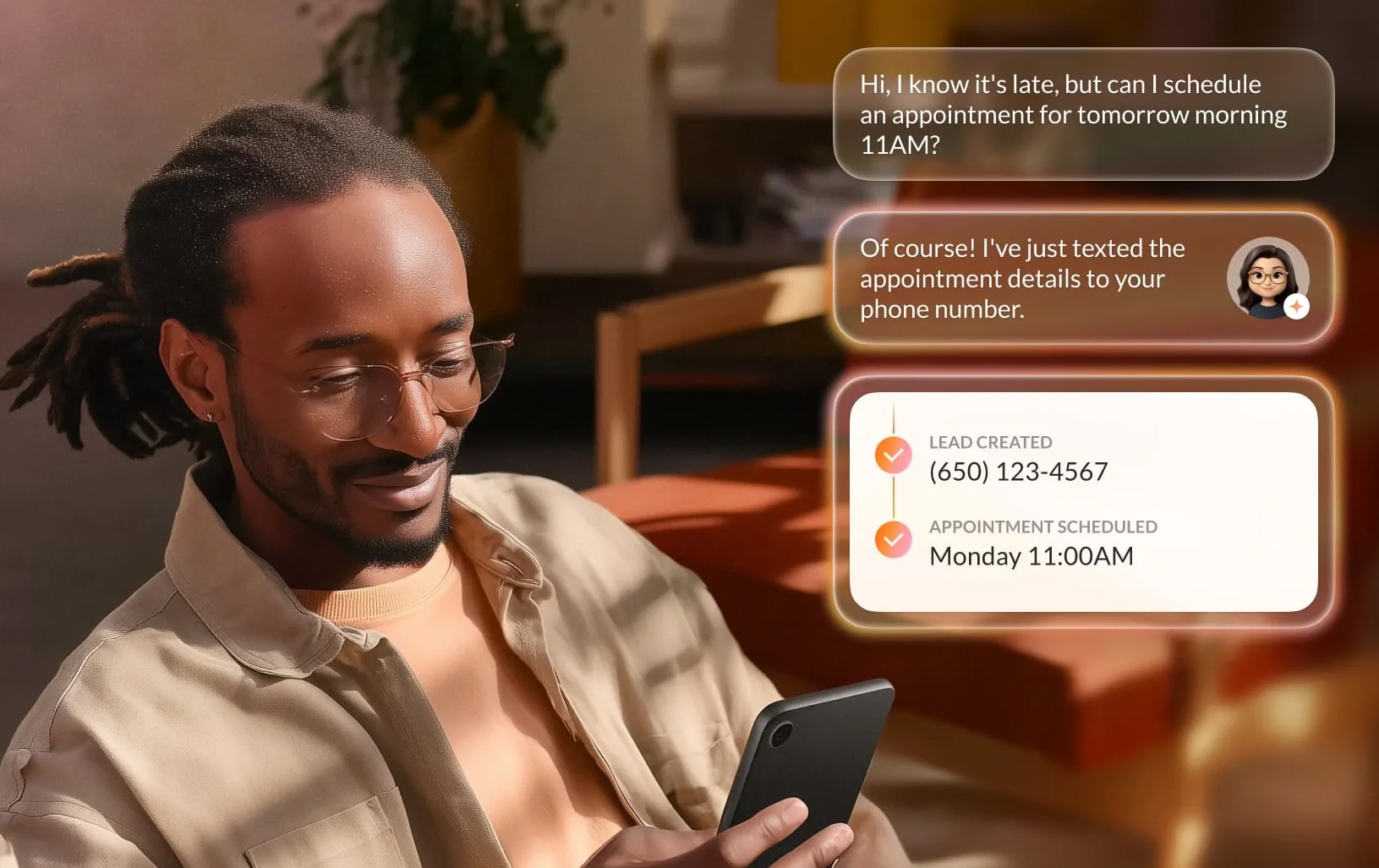
The expansion of RingCentral’s AI Receptionist (AIR) to SMS and call queues represents a transition toward proactive, automated service. By interpreting intent and providing real-time, context-aware responses, AI can handle high-volume, routine queries that previously resulted in abandoned interactions. This creates a forced-good CX, ensuring that whether a customer reaches out via text during a commute or calls outside of business hours, the interaction is captured, categorized, and addressed.
Microsoft Teams as the Unified CX Hub
The enterprise workspace is increasingly consolidated within Microsoft Teams, yet many organizations continue to maintain redundant, siloed contact center solutions. RingCentral’s Customer Engagement Bundle (CEB) and Operator Connect for Teams represent a pragmatic recognition that modern productivity happens where the user already resides.
Rather than forcing agents to oscillate between disparate applications, these tools fold telephony, shared messaging inboxes, and real-time analytics into the Teams environment. This allows for a more seamless transition from a back-office internal query to a direct customer-facing response, thereby reducing operational friction and ensuring data continuity across the enterprise.
Strategic Implications for CX Leadership
For business leaders, the takeaway is clear: the era of bolt-on communication tools is ending. To remain competitive, organizations must prioritize the following:
Identity Design: Treat verified branding as a critical asset. Every outbound interaction should clearly communicate the brand identity to bypass the spam filter mindset of the modern consumer.
Journey-Centric Unification: Pivot away from channel-specific KPIs toward journey-mapping. By utilizing shared inboxes and integrated analytics, companies can ensure that a customer’s previous SMS inquiry informs their next voice interaction.
* Operational Resilience through Embedded AI: Deploy AI to handle the voids—the after-hours inquiries and overflow queues—rather than just automating routine FAQ dialogues. The measure of success here should be the reduction of abandoned interactions and an increase in the speed of the first meaningful response.
In conclusion, the modernization of CX is fundamentally about strengthening the underlying communications architecture. By making these interactions verifiable, automated, and embedded within existing workflows, businesses stop treating CX as a cost center and start viewing it as the primary engine for sustainable growth.