
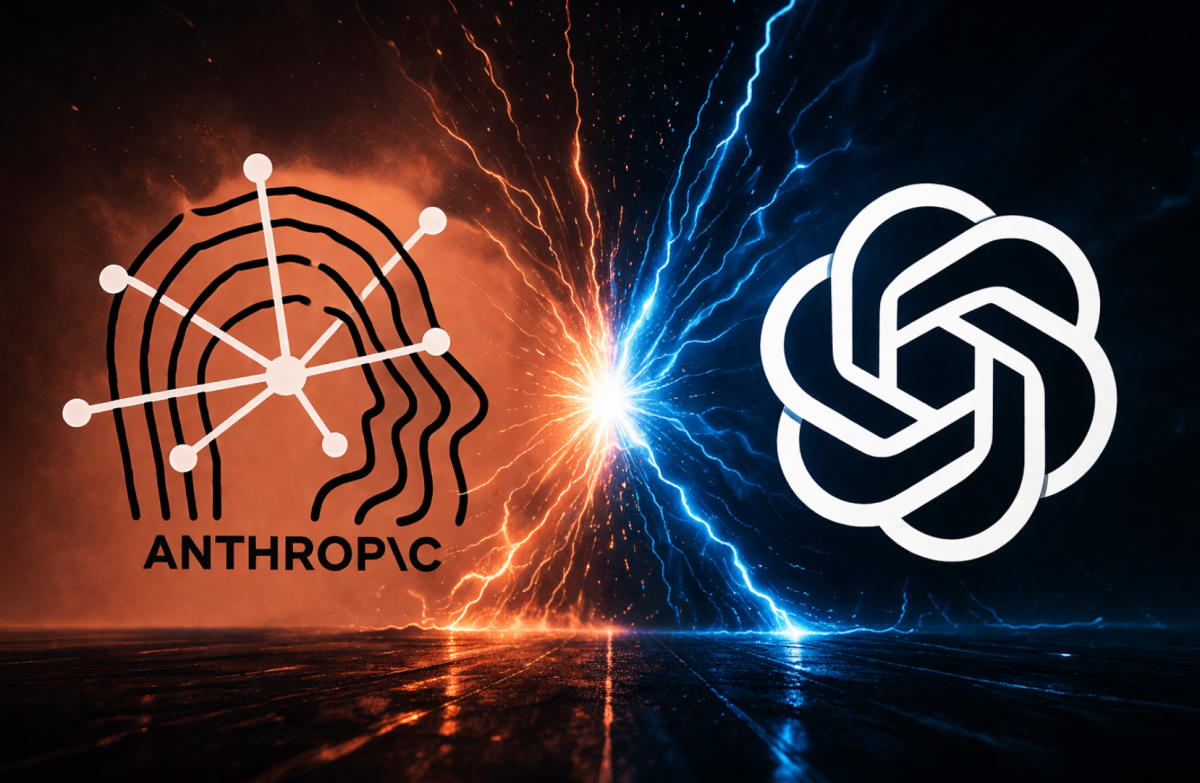
The Paradox of Controlled AI Cybersecurity
The cybersecurity landscape is undergoing a significant shift as leading AI developers transition from general-purpose LLMs to specialized offensive and defensive security tools. The recent move by OpenAI to gatekeeper its new platform, GPT-5.5 Cyber, marks a tactical pivot that mirrors—and arguably contradicts—the company’s recent criticisms of industry rivals. By restricting access to critical cyber defenders, OpenAI is attempting to balance the immense potential of AI-driven vulnerability exploitation with the unavoidable safety risks inherent in such technologies.
From Public Critique to Strategic Mirroring
Sam Altman’s recent stance on Anthropic’s Mythos tool serves as a fascinating case study in corporate signaling. When Anthropic initially restricted access to its internal security suite, Altman publicly characterized the decision as fear-based marketing, positioning OpenAI as a proponent of transparency. However, the subsequent rollout of GPT-5.5 Cyber under an identical access-restricted regime suggests that the realities of AI safety infrastructure are forcing all major players into a defensive posture.
This shift underscores a growing industry consensus: the capability to perform automated penetration testing, malware reverse engineering, and deep vulnerability identification is a dual-use superpower. While these tools could revolutionize the speed at which companies patch zero-day exploits, they simultaneously lower the barrier to entry for malicious actors seeking to weaponize those same vulnerabilities.
Evaluating the OpenAI Access Framework
OpenAI’s approach to mitigating these risks relies on a vetting process that mandates submission of professional credentials and detailed use-case declarations. By acting as a central clearinghouse for who gains access to these sophisticated offensive capabilities, OpenAI is effectively assuming a role akin to a government oversight body.
The company has explicitly stated that it is consulting with U.S. federal authorities to refine its distribution strategy. This integration of public-private cooperation signals that the future of AI-powered red teaming will not be a purely open-market endeavor. Instead, it will be a tightly managed ecosystem where access is reserved for verified entities.
The Vulnerability of Exclusive Access
The industry’s reliance on gated access models faces a significant credibility challenge. The reported unauthorized breach of Anthropic’s Mythos environment proves that security through obscurity or tiered access is not a foolproof defensive strategy. If high-end, purpose-built AI tools can fall into the hands of unauthorized actors, the very tools designed to patch security holes could inadvertently become the primary instruments of large-scale systemic compromise.
For industry analysts, the lesson is clear: simple vetting applications are insufficient safeguards against sophisticated adversaries. The real value of these tools lies not in who gets the key, but in the underlying safety architecture that prevents the AI from being coerced into performing unauthorized malicious tasks. As OpenAI moves forward with GPT-5.5 Cyber, the efficacy of its internal safety guardrails will be tested far more rigorously than its vetting application process. The transition from closed beta to wider deployment will reveal whether OpenAI can mitigate the very threats it is empowering users to defend against.