
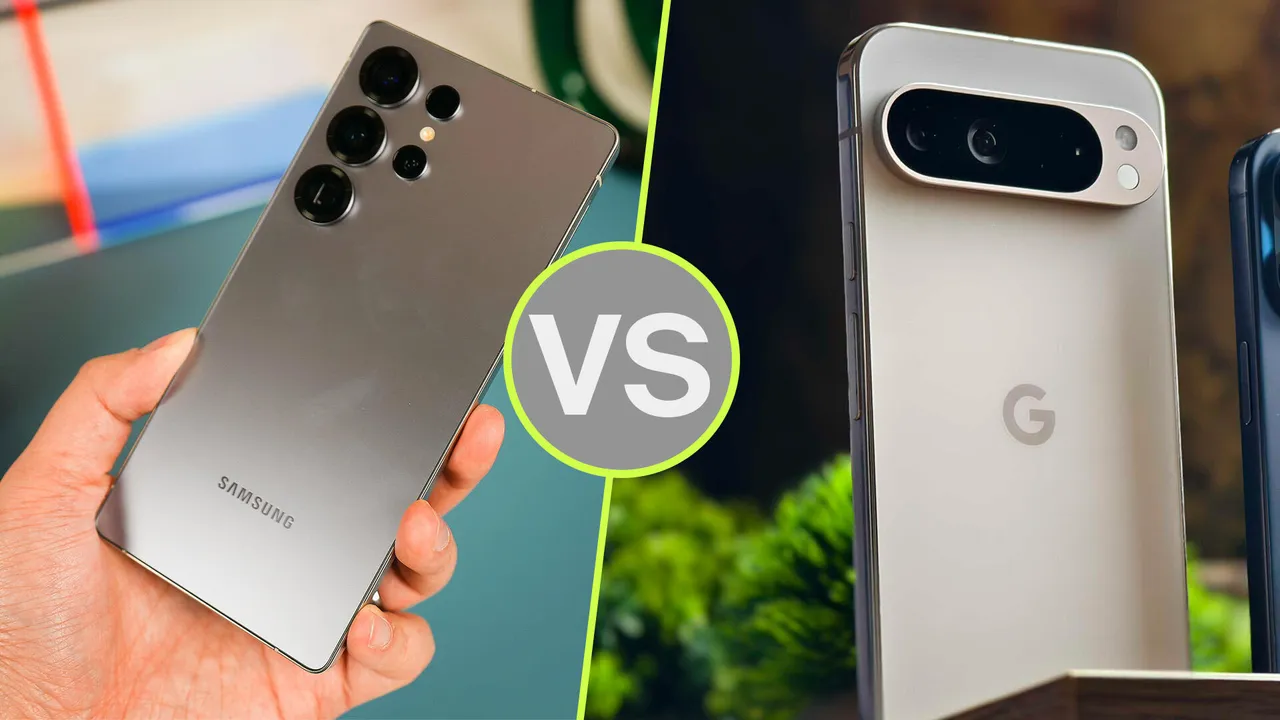
The Android Duality: Navigating the Samsung vs. Google Marketplace
The smartphone landscape has shifted from a period of chaotic experimentation to a more mature, refined ecosystem dominated by two primary standard-bearers: Samsung and Google. Despite Apple’s persistent dominance among US consumers, Android remains the preferred destination for power users seeking hardware versatility, ranging from traditional slabs to innovative book-style foldables.
However, the decision between a Galaxy device and a Pixel is no longer just about specifications; it is an ideological choice regarding how one interacts with technology. The market has bifurcated into two distinct philosophies: Samsung’s hardware-first, ecosystem-heavy all-in-one approach versus Google’s software-first, AI-integrated intelligent assistant model.
Why Samsung Wins the Hardware and Ecosystem War
For the consumer deeply invested in a connected home, Samsung presents a value proposition that extends far beyond the pocket. By manufacturing everything from high-end appliances to display panels, Samsung has created a cohesive ecosystem that effectively bridges the gap between consumer electronics and mobile computing.
1. Seamless Cross-Device Synergy
The primary advantage of the Samsung ecosystem is its granular integration. Using the SmartThings platform, a Galaxy owner can orchestrate their entire home environment. Beyond simple smart home control, the brand mimics the walled garden reliability of Apple but with more open hardware options. Features like App Continuity—enabling users to transition tasks between a Galaxy phone, tablet, and laptop—create a fluid workflow that competitors struggle to replicate with the same level of polish.
2. Hardware Ingenuity and Customization
Samsung continues to push the boundaries of what is possible with traditional internals. The Galaxy Ultra series routinely showcases features—such as specialized ultra-high-resolution sensors and advanced display privacy technologies—that arrive on rivals only years later. Furthermore, power users gravitate toward One UI specifically for its deep customization potential. Utilities like Good Lock provide an interface-level modularity, allowing users to move beyond standard Android limitations to tailor every aspect of their UI, from notification management to home-screen geometry.
3. Aggressive Financial Accessibility
In a cooling economy, Samsung leverages its scale to secure superior carrier subsidies. Industry data suggests that when component costs or inflationary pressures lead to higher MSRPs, Samsung responds with aggressive highest-tier promotions. This often makes the latest Galaxy flagship more accessible to the average consumer than a comparable Pixel at its MSRP, effectively neutralizing price hikes through trade-in incentives and bundle deals.
The Case for Google: Prioritizing Intelligence and Simplicity
While Samsung focuses on delivering a maximalist experience, Google positions the Pixel lineup as the definitive showcase for the modern, AI-augmented Android experience. The trade-off here is clear: you sacrifice some of that feature-packed weight for a more streamlined, agile, and context-aware device.
1. Vanilla Software and Unmatched Longevity
Pixel UI remains the standard-bearer for a clutter-free Android experience. Crucially, Google avoids the bloatware tax—the mandatory inclusion of duplicated apps and pre-installed third-party services that clutter Samsung handsets. Furthermore, the Pixel ecosystem leads the charge in software support, often serving as the primary vehicle for Pixel Drops that introduce significant functional enhancements to existing hardware long after the initial purchase date.
2. The AI-First Paradigm Shift
Google’s recent pivot toward AI is not merely a marketing gimmick; it manifests as tangible productivity gains. Features like contextual Call Screening and the ability for the phone to surface booking information or relevant travel documents during active calls demonstrate an understanding of intent. These quality-of-life additions represent a shift toward invisible computing, where the device anticipates the user’s needs before they have to navigate a single file folder.
3. Aesthetic Identity
While Samsung often iterates on conservative industrial design, Google has successfully established a unique design language with its iconic camera visor and refined color palettes. Pixel devices cater to those who view their technology as an extension of personal style, offering a visual departure from the increasingly uniform metal-and-glass rectangles of the competition.
Final Industry Perspective
Choosing a smartphone in the current climate requires an honest assessment of your personal pain points. If your priority is hardware performance, advanced camera versatility, and controlling a broad spectrum of home devices, Samsung remains the dominant force. The depth of One UI and the integration of the wider Galaxy ecosystem offer a robustness that currently has no equal in the Android world.
Conversely, the Pixel ecosystem is built for those who value efficiency, cleaner aesthetics, and the integration of Google’s leading-edge generative AI capabilities. While Samsung allows you to build the interface of your dreams, Google is focused on building a device that learns to work for you. For most power users, the path leads to Samsung, but for those who find feature creep exhausting, the Pixel remains the ultimate smart companion.