
Amazon’s Shift Toward Conversational Commerce
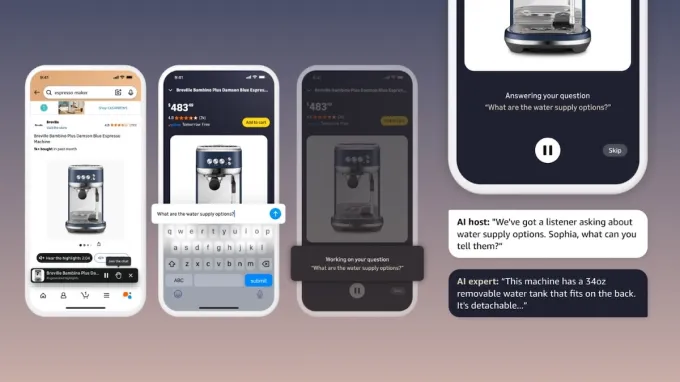
Amazon has officially integrated an interactive, AI-driven chat feature into its mobile shopping ecosystem, marking a significant evolution in how e-commerce platforms utilize generative AI. By transitioning from static product pages and exhaustive review-scrolling to a dynamic, dialogue-based interface, Amazon is attempting to replicate the high-touch experience of in-store consultations within a digital environment.
This feature, branded as “Join the chat,” empowers users to move beyond pre-written FAQ sections by asking nuanced questions. The system leverages large language models (LLMs) to synthesize complex data points—ranging from technical manufacturing specifications to subjective consumer sentiment—into synthesized, conversational audio responses. By doing so, Amazon is effectively solving the “information overload” problem that historically plagues high-volume online marketplaces.
Strategic Implications for the E-commerce Landscape
The introduction of this tool represents a strategic pivot toward contextual relevance. Traditional SEO-driven product descriptions are often static and fail to address the specific hesitations of a individual shopper. By deploying “AI shopping experts,” Amazon is betting that personalized, real-time guidance will shorten the sales funnel and reduce return rates—a significant pain point for e-retailers.
Furthermore, this move suggests a broader industry shift where search-based shopping is being replaced by intent-based conversation. Because this system tracks the history of the current dialogue, it creates a feedback loop that adjusts subsequent answers based on the user’s specific priorities. If a customer expresses concern about material comfort, the AI prioritizes similar data points in its analysis, effectively acting as an intelligent filtering mechanism.
Expanding the Audio-First Shopping Experience
“Join the chat” functions as an extension of Amazon’s “Hear the highlights” initiative, which debuted in beta last May. By enabling audio summaries that persist while the user navigates through the app, Amazon is positioning its mobile interface as a hands-free, multitasking utility. This accessibility is critical for the on-the-go shopper, allowing them to extract high-level product intelligence without dedicating their full visual attention to a screen.
This rollout does not exist in a vacuum; it is the latest tile in Amazon’s growing mosaic of AI tools, which includes:
Rufus: A research-oriented generative assistant focused on comparative analysis.
Interests: A predictive engine that surfaces inventory based on long-term behavioral patterns.
* Help me decide: A recommendation tool that simplifies the selection process by clustering products based on browsing history and search intent.
Future Outlook on AI Integration
The integration of these features signifies that Amazon is shifting its focus from being a mere transactional database to an active shopping assistant. For competitors in the retail space, the bar has been raised. The standard for customer support and product discovery is moving toward real-time synthesis of massive, unstructured datasets.
As these systems continue to refine their linguistic capabilities and broaden their scope across millions of SKUs, the necessity for a platform to provide high-fidelity, conversational clarity will become the new competitive prerequisite. By betting heavily on voice and conversational AI, Amazon is not just improving usability; it is fundamentally altering the power dynamic between the shopper and the storefront.